
3/9/2026
In chewing gum production, gum base normally does not go directly from storage into the mixer. It usually sits in a preparation area first, sometimes for a short warming period.
At first glance this step looks routine. The purpose seems simple — make the gum base softer so that it can blend with the rest of the ingredients.
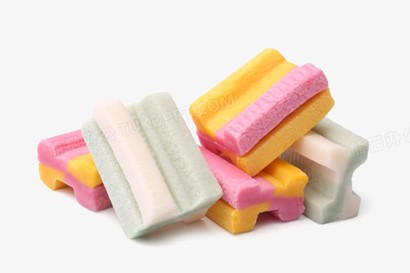
But in real production lines, the temperature of the gum base before mixing often changes how smoothly the batch develops later.
Operators usually notice this quite quickly when production conditions change.
The Starting Condition of the Gum Base Affects the Early Mixing Stage
Gum base stored in warehouses can behave differently depending on the environment. In colder seasons the material tends to be firmer. In warmer periods it may already feel slightly softer before production begins.
If gum base enters the mixer while still relatively hard, the mixer needs more time to break it down. During this early stage, sweeteners and syrups may start heating faster than the base itself. The result is that the gum mass forms more slowly at the beginning of mixing.
Many factories solve this simply by allowing the gum base to warm up before production starts.
Once the material reaches a more workable condition, it spreads through the batch more evenly. The mixing rhythm becomes more stable.
This is a small detail, but experienced operators pay attention to it.
Uneven Heating Can Create Small Differences in the Batch
Warming the gum base helps, but the way it is warmed also matters.
When heating is too strong or too fast, the outer surface of the base can soften much earlier than the inside. This creates a situation where some parts of the material become flexible while others remain relatively firm.
Inside the mixer, this uneven condition sometimes delays the formation of a uniform gum mass.
Factories with larger batch sizes usually notice this more clearly. The internal temperature of the material takes longer to equalize, especially when thick blocks of gum base are used.
For this reason, some manufacturers prefer gradual warming instead of aggressive heating.
The goal is not to melt the gum base. The goal is simply to bring it closer to the condition where mixing can begin smoothly.
Production Environment Often Changes the Result
Another reason this step becomes important is that production environments are never completely identical.
Room temperature may rise during the afternoon. Gum base may sit longer before mixing if production schedules change. Even transportation conditions before the material arrives at the factory can influence its starting temperature.
These differences are usually small, but gum base responds quickly to heat.
When operators understand this relationship, they can adjust preparation time slightly instead of assuming something is wrong with the formulation.
Over time, most factories develop their own routine for preparing gum base before mixing.
With over 20 years of experience and providing the complete Gum base Solution in more than 50 countries, we have a very good idea of which products are popular in which countries. We are also continusously doing R&D to try and find the next big gum end product. Here is a selection of some popular products in 2024. If you would like to see a complete list, click gumbase for more information.
If you have any doubts or questions about setting up your own confectionery production system, or if you are an existing confectionery factory and would like clarification on anything regarding the Gum base sector, please contact us using the form below. We will respond to you within 12 hours (time zones permitting).
Gumbase Search Engine
Popular Search Terms: bubble gum, gum base