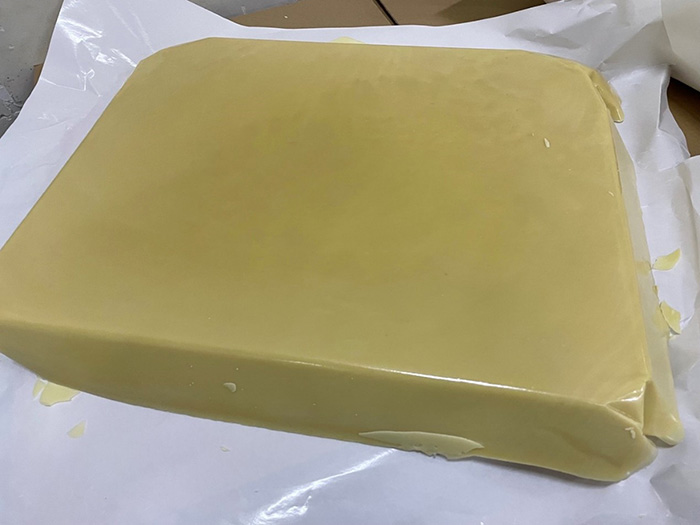
When people chew gum, they don’t really think about what stays in the mouth after a few minutes. The sweetness fades, the flavor becomes lighter, but something is still there. That part is gum base.
It doesn’t dissolve, and it doesn’t provide nutrition. It just stays, holding the structure so the gum can keep being chewed. That is also the main reason chewing gum feels different from other candy. On paper, this sounds simple. In production, it doesn’t always feel that simple.
How Gum Base Is Seen in Actual Use
People often mention natural rubber. That was used before. Now it’s mostly replaced. Current gum base is made from food-grade polymer materials, together with resins and a few other components.
You can explain it in a technical way, but on the production side, people usually don’t. They just look at how it behaves. If it works, it works.
When the Base Feels Different
Gum base is not one single material. It’s a mix, and small differences inside that mix can show up later. Sometimes you notice it immediately — the texture feels softer or a bit firmer.
Sometimes it takes longer. After a few minutes of chewing, something feels slightly different. Not wrong, just not exactly the same. There are also cases where the texture seems fine, but the flavor doesn’t come through in the same way, even when nothing else has changed. These things happen. People working with it usually notice.
What Happens During Production
Once production starts, these differences become clearer. At the beginning, it’s about mixing — whether the mass forms quickly or not. Then during forming, it’s about how it stretches.
Temperature also plays a role. It’s not always the same, so the material reacts a bit differently from time to time. And then there’s flavor. Gum base carries it. If the match is not quite right, it shows up later, not immediately.
Bubble Gum and Chewing Gum Are Not the Same
Bubble gum needs stretch. That part is obvious once you try to form bubbles. Chewing gum is different. It’s more about staying comfortable during longer chewing — not too hard, not too soft, and not changing too quickly.
So in practice, most factories don’t use one base for everything.
What People Actually Pay Attention To
In real use, the softening point comes up quite often. In hotter places, a higher value helps the product stay more stable. It doesn’t become too soft during storage. In more moderate conditions, people usually stay in a middle range.
Form also matters. Some forms react faster to temperature. Others are more stable but need more preparation before mixing. So the choice usually depends on how it’s used, not just what’s written in specifications.
About Fillers and Practical Choices
Fillers are another thing people look at in practice. Common ones include talc and calcium carbonate. They don’t behave exactly the same, and different regions may have different preferences or regulations.
In some products, especially those with acidic flavor systems, certain fillers are not always suitable. In other cases, cost and processing conditions also affect the choice. From a chewing point of view, the difference is not always obvious at the beginning, but it may show up later in texture.
Flavor and Gum Base Are Usually Decided Together
Another thing people figure out over time is that gum base and flavor don’t really work well when chosen separately. Different flavor systems contain different solvents, and those can affect how the gum behaves during production.
So in many cases, flavor is decided first. Then the base is adjusted to match. It takes more testing at the beginning, but it usually avoids problems later.
Conclusion
Gum base is not something you fully understand just by looking at data. It becomes clearer once you work with it.
It affects texture, flavor, and how the process runs. Sometimes in small ways, but still noticeable. In the end, it’s not really about finding the "best” one. It’s about finding what works in your own production.
Author: Wuxi Gum Base
Publication Date: 4/13/2026