1/20/2026
When buyers ask about gum base, the first questions are usually about performance:
Is it elastic enough? Can it hold flavor? Is it compatible with polyols for sugar-free gum?
Those are valid questions.
But in real production, one small detail can create daily trouble or daily convenience — the physical form of the gum base.
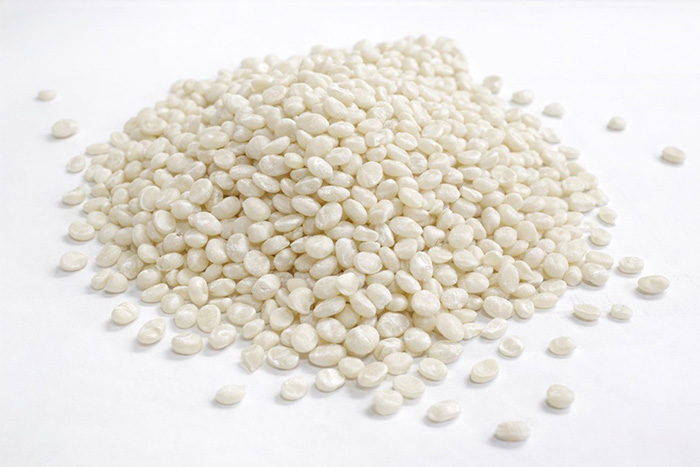
Some plants are used to blocks. Others prefer pellets / granules.
And honestly, if you’ve never run a line, it’s easy to think: "Same gum base, just different shapes.”
It doesn’t feel that way once you are the one trying to keep the mixer stable and the batch consistent.
- Dosing / weighing is quicker.It sounds small, but it matters. Pellets are easier to portion and feed. Less manual handling.
- Melting and dispersion are more even.If the base disperses evenly, you don’t get random "soft spots / hard spots” early in the batch.
- Process control becomes calmer.Operators don’t need to "fight the batch” as much. Temperature and mixing time are easier to standardize.
- production is continuous or high frequency
- labor is limited
- your plant is in a warm climate and you already have enough variables to manage
- the plant has equipment and routines built around block handling
- production scale is smaller and operators are experienced
- storage and transport are well controlled (temperature/humidity not a constant fight)
With over 20 years of experience and providing the complete Gum base Solution in more than 50 countries, we have a very good idea of which products are popular in which countries. We are also continusously doing R&D to try and find the next big gum end product. Here is a selection of some popular products in 2024. If you would like to see a complete list, click gumbase for more information.
If you have any doubts or questions about setting up your own confectionery production system, or if you are an existing confectionery factory and would like clarification on anything regarding the Gum base sector, please contact us using the form below. We will respond to you within 12 hours (time zones permitting).
Gumbase Search Engine
Popular Search Terms: bubble gum, gum base